
See Amid the Winter’s Snow

Home » Violin Sheet Music » Christmas Violin Sheet Music » See Amid the Winter’s Snow

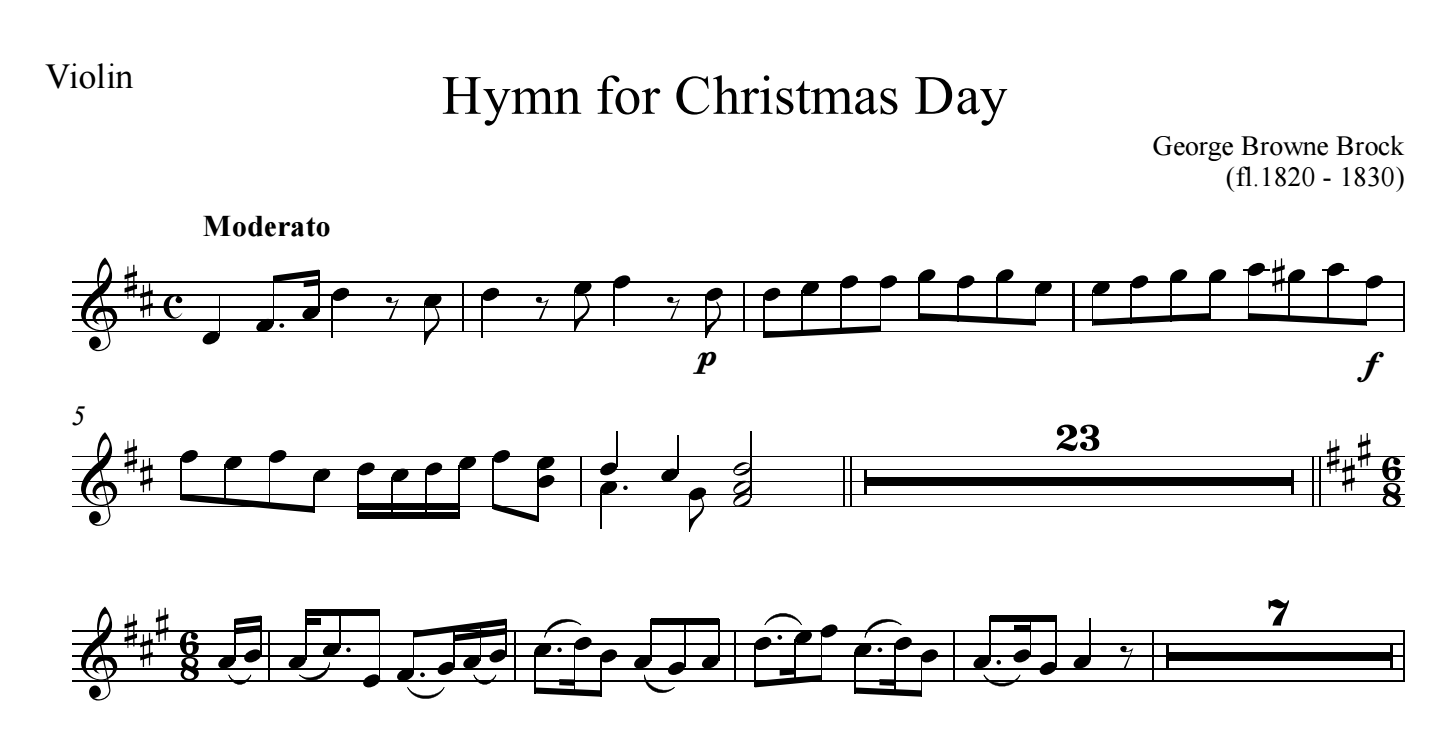
Also known as “See Amid the Winter’s Snow” is a traditional Christmas carol with lyrics written by Edward Caswall and music composed by Sir John Goss. It was first published in 1854. This carol is known for its serene and reflective lyrics that tell the story of the birth of Jesus Christ and the adoration of the shepherds and angels.

Playing “Hymn for Christmas Day” on the violin is a delightful way to share the joy of the season through music. With its moderate level of difficulty, this piece is accessible to intermediate-level violinists, offering a rewarding challenge and an opportunity to express the magic of Christmas through the strings of the violin. So, dust off your sheet music, rosin up your bow, and let the enchanting melody of “Hymn for Christmas Day” fill the air with the spirit of the holidays.
PREVIEW

Christmas Sheet Music

“O Little Town of Bethlehem” is a popular Christmas carol that has been arranged for various instruments, including the organ. When played on the organ, it typically has a majestic and reverent sound, befitting the solemnity of the Christmas season. The organ arrangement includes rich harmonies and full chords to create a grand and atmospheric rendition of the song.

“In Dulci Jubilo” arranged for the Organ. The original text is attributed to Heinrich Seuse, a German mystic, and poet who lived in the 14th century. The song celebrates the joy and happiness of the Christmas season, and it has been performed and recorded by many artists and choirs over the centuries.

Franz Liszt, the Hungarian composer and virtuoso pianist of the Romantic era, left an indelible mark on the world of classical music with his innovative compositions and unparalleled piano skills. One of his lesser-known yet captivating pieces is “March of The Three Magi” (S. 388), a musical gem that takes the listener on a majestic journey. Playing this piece on …

“The Christmas Tree” (Elka in Russian), Op. 21 is a suite of piano pieces that depict scenes related to a Christmas tree and its decorations. The suite is often performed as a set of miniatures, each capturing a different aspect of the holiday season. It is considered one of Rebikov’s most well-known and charming works. The “Christmas Tree Waltz” is …

Niels Gade, a Danish composer and conductor of the Romantic era, created the “Christmas Tree” as part of a set of piano pieces dedicated to his children. Op.36 No.2 is particularly charming, with its playful melodies and evocative harmonies that transport listeners to a winter wonderland adorned with twinkling lights and festive decorations. The piece is characterized by its joyous …

“The First Nowell,” also spelled as “The First Noel,” is a traditional English Christmas carol. The word “Noel” is an old English word derived from the French “Noël,” which means Christmas. The carol dates back to the 18th century or earlier, and it tells the story of the nativity of Jesus Christ.

“O Nata Lux de Lumine” or “O Light Born of Light” is a hymn often associated with the Christian liturgy, particularly the office of Compline. It is commonly used during the Advent season.

“Carol of the Bells” is a popular Christmas carol with a distinctive and recognizable melody. The music for this carol was composed by Mykola Leontovych, a Ukrainian composer, in 1914. The original composition is titled “Shchedryk,” which means “The Generous One” in Ukrainian and refers to a traditional Ukrainian folk chant that welcomed the New Year.

“God Rest Ye Merry, Gentlemen” is a traditional English Christmas carol. It is one of the oldest Christmas carols, dating back to the 16th century or possibly even earlier. The carol’s title can be a bit confusing to modern readers due to its archaic language. In this context, “God rest ye” means “God keep you” or “God make you.” So, …

“We Wish You a Merry Christmas” is a traditional English Christmas carol that dates back to the 16th century. Its cheerful melody and festive lyrics make it a popular choice during the holiday season. The song is in a lively 3/4 time signature, giving it a waltz-like feel, and is commonly arranged in the key of G major for beginners. …

“Noel Nouvelet” is a traditional French Christmas carol that has been cherished for its beautiful melody and joyful lyrics. “Noel Nouvelet,” often simply referred to as “Noel,” dates back to the 15th century and is believed to have originated in the region of France. The carol is a celebration of the birth of Jesus Christ and has become a popular …

“December: Christmas” is a musical gem that beautifully encapsulates the magic and joy of the holiday season. Tchaikovsky’s masterful composition takes the listener on a journey through wintry landscapes and festive celebrations. The piece is characterized by its lush harmonies, delicate phrasing, and the evocative use of melodies that paint a vivid picture of December’s festive atmosphere. While Tchaikovsky’s compositions …

“Ding Dong! Merrily on High” is a popular Christmas carol with French origins. The lyrics were written by English composer George Ratcliffe Woodward, and the melody is based on a 16th-century French dance tune. The title of the carol is derived from the sound of bells, which is often associated with the Christmas season.

This masterpiece, also known as “Concerto Grosso in G minor, Op. 6, No. 8,” holds a special place in the repertoire of Baroque music. Composed by Arcangelo Corelli around 1690, this concerto is part of his renowned set of twelve concerti grossi. Corelli’s Christmas Concerto has remained a popular choice for holiday performances, admired for its exuberance and the timeless …

The origins of “Away in a Manger” are somewhat disputed, and it’s often attributed to various sources. One popular version of the carol suggests that it was written by Martin Luther, the 16th-century German theologian, though historical evidence for this claim is limited. The most widely accepted attribution is to an American hymn writer named James R. Murray, who published …