1.1K
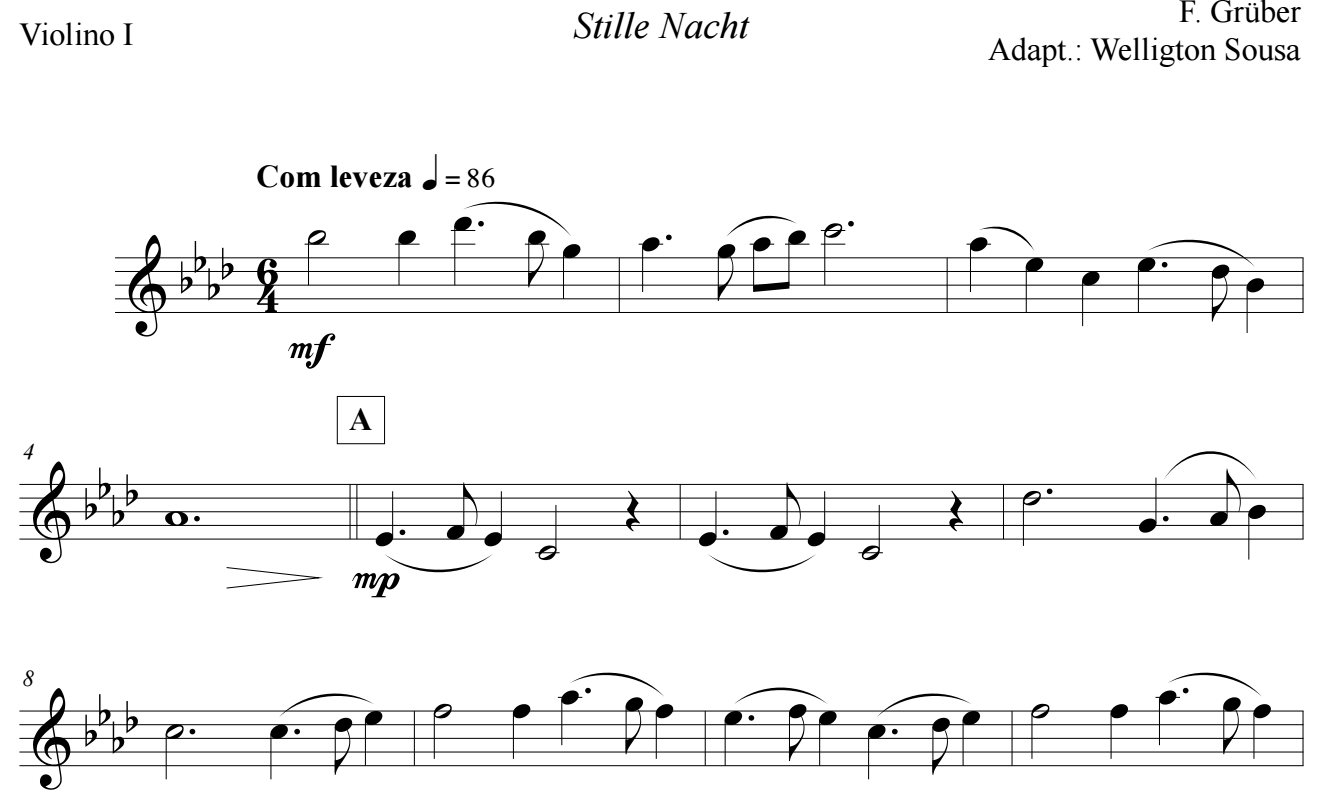
“Silent Night” (German: “Stille Nacht, heilige Nacht”) is a widely cherished Christmas carol known for its simple and serene melody. It was originally written in German by Joseph Mohr, with music composed by Franz Xaver Gruber.
“Silent Night” (German: “Stille Nacht, heilige Nacht”) is a widely cherished Christmas carol known for its simple and serene melody. It was originally written in German by Joseph Mohr, with music composed by Franz Xaver Gruber.
Also known as “See Amid the Winter’s Snow” is a traditional Christmas carol with lyrics written by Edward Caswall and music composed by Sir John Goss. It was first published in 1854. This carol is known for its serene and reflective lyrics that tell the story of the birth of Jesus Christ and the adoration of the shepherds and angels. …
Schubert’s “Ave Maria” is a poignant and reverent piece that has been embraced for its emotional depth and melodic richness. It has been widely used in religious ceremonies, including weddings and other solemn occasions. The lyrics are based on a German translation of Sir Walter Scott’s poem “The Lady of the Lake.”
The song’s lyrics convey a message of comfort and joy during the Christmas season, reminding listeners to have a cheerful and steadfast spirit. The carol often features a lively and upbeat melody and is typically sung in a celebratory manner. Arranged in organ sheet music.
“Bells Across The Snow” is a piano piece that captures the festive spirit associated with the sound of bells during the holiday season. Gounod’s composition is characterized by its graceful phrasing, delicate dynamics, and enchanting harmonies. The piece is relatively short, making it an accessible choice for pianists looking to add a charming and expressive work to their repertoire. The …
Camille Saint-Saëns’ “Christmas Oratorio” (Oratorio de Noël), Op. 12, is a beautifully crafted sacred work for choir, soloists, and small orchestra. Composed in 1858, it is often performed during the Advent or Christmas season and is notable for its lyrical and serene character. The piece features 10 movements, and it is imbued with a sense of warmth and intimacy rather …
The word “mirliton” refers to a toy kazoo-like instrument made from a paper tube and waxed paper, which produces a buzzing sound. The French translation aptly captures the lighthearted and playful nature of the music and choreography in this part of Tchaikovsky’s ballet classic, The Nutcracker. The music is characterized by its high-pitched, staccato notes, which mimic the sound of mirlitons.
Handel’s Hallelujah Chorus, a masterpiece from his oratorio “Messiah,” is a celebrated piece that has resonated through the ages. While originally composed for a full orchestra and choir, the transcendent beauty of the piece can be captured on a single instrument, such as the violin. Playing Handel’s Hallelujah on the violin requires a certain level of skill and technique, making …
Tchaikovsky’s Nutcracker Overture is a timeless masterpiece that has captivated audiences for generations. While commonly associated with orchestral performances, this enchanting composition can also be brought to life on the piano, offering pianists a chance to immerse themselves in the magical world created by Tchaikovsky. The Nutcracker Overture serves as the opening piece for Tchaikovsky’s famous ballet, “The Nutcracker.” Its …
“German Dance, K.605 No.3” or “Sleigh Ride” or in German “Die Schlittenfahrt” from the set of Three German Dances, K.605 is a lively and festive composition that captures the joyful spirit of a sleigh ride. Arranged for violin.
“The Night Before Christmas” also known as “A Visit from St. Nicholas,” is a famous poem written by Clement Clarke Moore. It was first published anonymously in 1823 and has since become a beloved and iconic Christmas poem. The poem is known for its depiction of Santa Claus and his reindeer on Christmas Eve, as they deliver presents to children. …
“Wachet auf, ruft uns die Stimme” BWV 645 is part of Bach’s Orgelbüchlein (Little Organ Book), which is a collection of chorale preludes for the organ. This particular chorale prelude is based on the hymn of the same name by Philipp Nicolai. The hymn itself is associated with the Advent season and is often used in church services. The piece …
The “Chinese Dance” is part of Act II of “The Nutcracker” and is also known as the “Tea Dance.” This act is set in the Land of Sweets, where various international character dances are performed to entertain Clara and the Nutcracker Prince. This dance represents Chinese culture and is characterized by its distinctive and exotic musical motifs. Tchaikovsky employs pentatonic …
“It Came Upon the Midnight Clear” is a popular Christmas carol with lyrics written by Edmund Sears and music composed by Richard Storrs Willis. The carol was first published in 1850. The tune composed by Richard Storrs Willis is a beautiful and peaceful melody, often sung during the Christmas season to celebrate the birth of Jesus Christ and to convey …
“Quem Pastores Laudavere” is a traditional German Christmas carol that has been cherished for centuries. The title translates to “Whom the Shepherds Praised” in English. The origins of “Quem Pastores Laudavere” can be traced back to medieval Germany, likely around the 14th century. This carol has endured the test of time and has become a beloved part of the Christmas …
“German Dance, K.605 No.3” or “Sleigh Ride” or in German “Die Schlittenfahrt” from the set of Three German Dances, K.605 is a lively and festive composition that captures the joyful spirit of a sleigh ride. “Die Schlittenfahrt” is originally a piano piece, but its lively and spirited character makes it a perfect candidate for adaptation to the violin. In terms …
@ 2007-2024 All Rights Reserved | WrittenMelodies.com