
robert-schumann-sheet-music

Free Robert Schumann Sheet Music

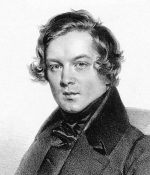
Robert Schumann (1810-1856) was a German composer and pianist known for his profound influence on Romantic music. Schumann co-founded the influential music journal "Neue Zeitschrift für Musik" and composed a wide range of music, including piano works, lieder (art songs), and symphonies. His passionate relationship with Clara Wieck, a talented pianist and composer, played a significant role in his life. Schumann was a virtuoso pianist, and his piano compositions are an integral part of his oeuvre. Pieces like "Carnaval," "Kinderszenen," and the Piano Concerto in A Minor remain staples of the piano repertoire.

Popular Robert Schumann Sheet Music

“Träumerei” is part of Schumann’s collection of piano pieces titled “Kinderszenen” or “Scenes from Childhood.” The title translates to “Dreaming” in English, reflecting the piece’s introspective and nostalgic nature. The melody unfolds with gentle phrasing and a sense of wistfulness, making it a favorite among musicians and audiences alike. Transcribing piano compositions for the violin requires careful consideration of the …

Schumann’s Symphony No. 4, Op. 120, is a splendid example of Schumann’s romantic symphonic style. Its history of revisions and its rich, emotional content make it an intriguing piece for both performers and listeners. The first movement opens with a rich and expressive melody, demonstrating Schumann’s melodic prowess. The Romanza is lyrical and introspective, providing a stark contrast to the …

“Knecht Ruprecht” is the fourth movement from Schumann’s piano suite titled “Album für die Jugend” (Album for the Young), Op. 68. Composed in 1848, this piece embodies the festive spirit of the holiday season, featuring playful and whimsical elements. The title refers to a traditional German Christmas character, Knecht Ruprecht, who accompanies St. Nicholas to reward or admonish children based …

“Träumerei,” which translates to “Dreaming” in English, is one of the most famous and beloved pieces from Robert Schumann’s piano suite “Kinderszenen,” Op. 15. Schumann, a renowned composer of the Romantic era, composed “Kinderszenen” in 1838 and 1839, and this particular piece encapsulates the essence of dreamy, introspective music. “Traumerei” is the seventh piece in the collection of thirteen short …

Robert Schumann’s Piano Concerto in A Minor, Op. 54, is admired for its emotional depth and its unique blend of introspection and passion. It stands as a testament to Schumann’s distinctive style within the Romantic period. Many pianists, including Clara Schumann (Robert Schumann’s wife and a gifted pianist), have championed this concerto and contributed to its enduring popularity. Performing Schumann’s …

The Symphony No. 4 originally started as a work for piano and orchestra in 1841. Schumann later reworked it into a traditional symphonic form, resulting in two distinct versions: the original version in 1841 and the revised version in 1851. The revision, which is often referred to as Symphony No. 4, Op. 120, is the one most commonly performed today. …

Schumann composed the Piano Concerto in A Minor, Op. 54, in the year 1841. It was a period of great creativity for Schumann, and this concerto is often regarded as one of his most significant orchestral compositions. The concerto follows the traditional three-movement structure: Flute part.

Adventlied, Op. 71 is a sacred choral work for mixed voices and orchestra by Robert Schumann, composed in 1848. The text is a poem by Friedrich Rückert, “Dein König kommt in niedern Hüllen” (“Your King comes in humble guise”). The work is a festive and triumphant celebration of the coming of Christ, with a strong emphasis on hope and renewal. …